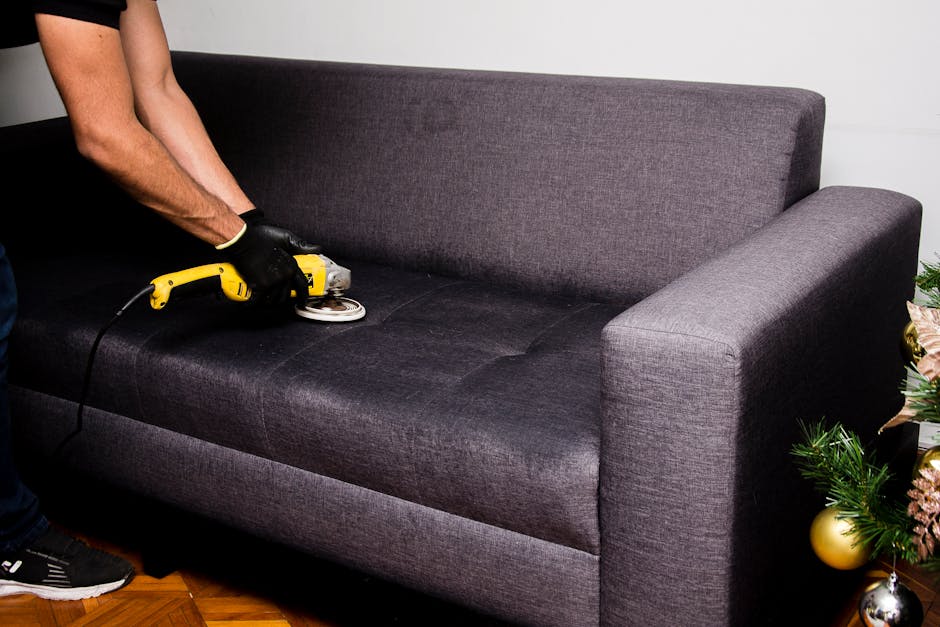
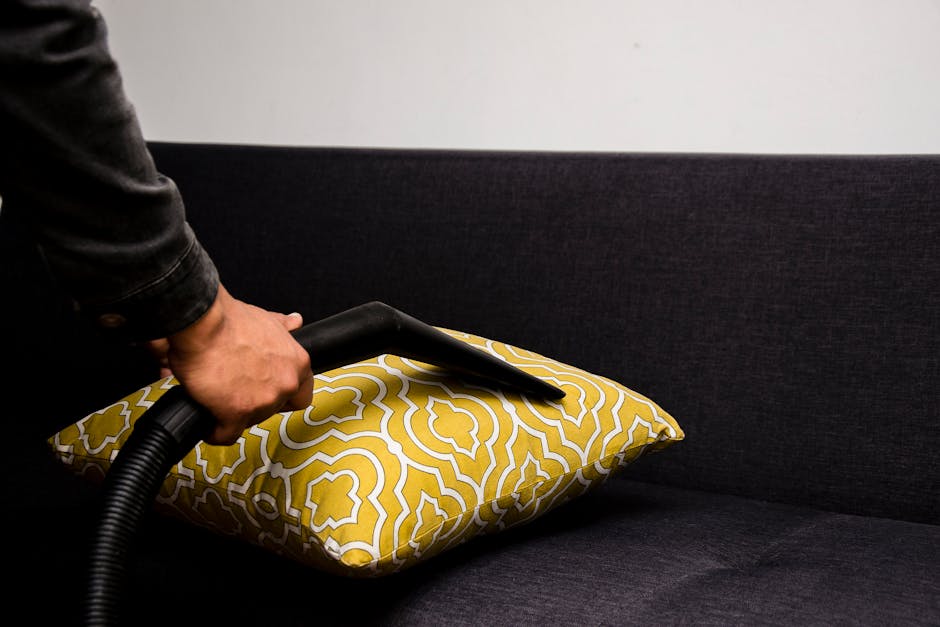
Camberwell Grove sofa cleaning for period homes
If you live in a period property on or around Camberwell Grove, you already know the furniture has to work a bit harder than in a standard new-build. Older homes have character, sure, but they also bring quirks: narrow staircases, original floors, ornate skirting, and upholstery that can be more delicate than it looks. That is exactly why Camberwell Grove sofa cleaning for period homes needs a careful, informed approach rather than a one-size-fits-all blast of hot water and good luck.
In this guide, we will look at what makes sofa cleaning in period homes different, how the process works, what to avoid, and how to choose the safest approach for your fabric and frame. You will also find a practical checklist, a comparison table, and a few real-world observations that make the decision easier. Let's face it, nobody wants a clean sofa that comes with water marks, fibre distortion, or a faint damp smell lingering for days.
Table of Contents
- Why Camberwell Grove sofa cleaning for period homes Matters
- How Camberwell Grove sofa cleaning for period homes Works
- Key Benefits and Practical Advantages
- Who This Is For and When It Makes Sense
- Step-by-Step Guidance
- Expert Tips for Better Results
- Common Mistakes to Avoid
- Tools, Resources and Recommendations
- Law, Compliance, Standards, or Best Practice
- Options, Methods, or Comparison Table
- Case Study or Real-World Example
- Practical Checklist
- Conclusion
- Frequently Asked Questions
Why Camberwell Grove sofa cleaning for period homes Matters
Period homes tend to hold onto detail. That is part of the appeal. But it also means the upholstery inside them is often part of a wider story: antique or vintage sofas, inherited pieces, re-covered settees, and modern furniture chosen to fit an older room's proportions. These pieces may look sturdy, yet many have fabrics, fillings, or finishes that react badly to aggressive cleaning.
Camberwell Grove sofa cleaning for period homes matters because the wrong method can change the look and feel of a sofa, not just its cleanliness. Natural fibres can shrink. Silk-like or blended fabrics can water mark. Loose weave covers can become misshapen. And if the sofa is sitting in a draughty front room with original sash windows, drying time can be slower than you expect. That old-house charm again.
There is also the matter of everyday life. Period homes are lived in, not staged. You may have children, pets, a rental property, or a formal sitting room that still gets plenty of use. In those homes, sofa cleaning is not cosmetic fluff; it is part of keeping the space fresh, healthy, and welcoming without upsetting the character of the room.
Expert summary: In period homes, the best sofa cleaning is rarely the most aggressive one. The safest results usually come from identifying the fabric first, testing before treating, and drying with patience rather than force.
If your upholstery needs more than a surface refresh, it can help to think of sofa care as part of a wider fabric-maintenance plan. Related services such as upholstery cleaning, professional sofa cleaning, and even curtain cleaning can be useful if a room has absorbed dust, cooking residue, or pet odours over time.
How Camberwell Grove sofa cleaning for period homes Works
Good sofa cleaning starts long before any machine switches on. The cleaner should first identify the fabric type, construction, and visible condition. That includes checking for loose seams, worn piping, discoloured arms, sun-faded panels, and old repairs that could react differently to moisture.
In practice, the process often looks something like this:
- Inspection - The upholstery is assessed for fabric type, colour stability, staining, and wear.
- Testing - A small hidden area is tested with the planned solution to check for colour transfer or pile distortion.
- Dry soil removal - Dust and grit are lifted away first, because rubbing dirt into old fabric is never a clever move.
- Targeted stain treatment - Marks from tea, wine, food, cosmetics, or pet accidents are treated individually rather than broadly soaked.
- Main clean - Depending on the fabric, that may be low-moisture extraction, delicate hot-water extraction, or careful solvent-based work.
- Rinse or neutralise - Any cleaning residue is reduced so the fabric does not feel sticky or attract fresh dirt.
- Drying and finishing - Airflow is improved, cushions are reset, and the piece is left to dry properly.
The right method depends on the upholstery. A robust synthetic sofa can usually tolerate more moisture than a heritage-style linen blend or a fragile jacquard. If you are unsure, ask for a fabric-specific assessment rather than assuming all sofas can be cleaned the same way. They really cannot.
For some homes, the best approach is part of a broader textile refresh, combining sofa care with rug cleaning or carpet cleaning to reduce dust and create a more even result throughout the room.
Key Benefits and Practical Advantages
The obvious benefit is a cleaner sofa. But that is only the start. With period homes, the deeper value is in preserving the look of the room while making it genuinely comfortable to use.
- Protects delicate fabrics - Careful methods reduce the risk of shrinkage, pile damage, or dye movement.
- Improves indoor freshness - Sofas hold onto dust, body oils, pet dander, and stale odours over time.
- Supports long-term furniture life - Dirt is abrasive. Leaving it in the fibres wears fabric down faster.
- Helps with stain management - A quick response to spills usually gives better results than trying to tackle them months later.
- Preserves the period feel of the room - A well-cleaned sofa looks cared for, not scrubbed raw.
- Reduces the need for replacement - Good maintenance can postpone reupholstery or costly furniture swaps.
One small but important advantage is comfort. A sofa can look "fine" and still feel not quite right: slightly greasy under the hand, a bit musty on damp days, or stale after winter with the windows shut. Once cleaned properly, the room often feels lighter. You notice it straight away, especially in the first proper sit-down after the work is done.
If stains are the main issue, a dedicated stain removal service may be a better fit than a general clean, while households dealing with cats, dogs, or the occasional muddy paw print may benefit from pet stain and odour removal.
Who This Is For and When It Makes Sense
This service makes sense for homeowners, landlords, tenants, and interior-minded buyers who care about both fabric condition and presentation. It is particularly relevant if your home has older architectural details and your sofa is part of the room's character rather than just a throwaway item.
You may want sofa cleaning if:
- the fabric looks dull, flat, or greyed out;
- there are visible tea, food, grease, or pet stains;
- the sofa holds a stale or musty smell;
- allergy-friendly housekeeping matters in the home;
- you are preparing a property for sale or new tenants;
- you have inherited a sofa and want to see whether it can be revived;
- the upholstery is expensive, sentimental, or awkward to replace.
In period properties, the timing matters too. If the room gets colder in the evening, or the house is closed up for much of the day, plan cleaning when you can open windows and allow circulation. A Monday morning clean in a chilly front room can be a bit of a pain if you need the sofa back by dinner.
For homes that already have sofa cleaning booked, it can be sensible to pair it with mattress cleaning if the property is being refreshed room by room, especially in guest bedrooms or rental settings.
Step-by-Step Guidance
If you want the best result, a little preparation goes a long way. Here is a practical way to think about the process from start to finish.
- Check the care label
Look for cleaning codes or manufacturer instructions. If the label is missing, faded, or unhelpful, do not guess. Many period homes contain older or re-covered furniture where the original tag is long gone. - Identify the fabric
Cotton, linen, wool blends, velvet, synthetic mix, and leather-look materials all behave differently. Even similar-looking fabrics can react in different ways. - Clear the room
Move fragile lamps, books, and ornaments away from the sofa. In older homes with tighter layouts, this step saves a lot of fiddling later. - Vacuum thoroughly
Use a soft upholstery attachment to lift dust from seams, buttons, creases, and under cushions. That first pass makes the deep clean more effective. - Test any treatment first
Always check a hidden area before applying solution across the full piece. This is one of those boring steps that prevents expensive regrets. - Treat stains individually
Do not attack the whole sofa because of one mark. A targeted approach is gentler and usually more successful. - Use the right moisture level
Period homes can have slower drying conditions, so low-moisture methods are often safer for sensitive fabrics. - Dry with airflow
Open windows if possible. Use fans if needed. Avoid placing the sofa against a cold wall straight after cleaning. - Reset and inspect
Once dry, plump cushions, check the seams, and inspect the cleaned areas in daylight.
A small practical note: if you are cleaning in late afternoon during a grey London day, drying can take longer than expected. The fabric may feel dry on the surface while the padding underneath still needs time. Be patient. It saves hassle.
Expert Tips for Better Results
In our experience, the difference between "pretty decent" and "really good" sofa cleaning often comes down to preparation and restraint. Here are the habits that help.
- Do not oversaturate - Heavy wetting is one of the biggest risks in older homes and delicate fabrics.
- Work from the least dirty to the dirtiest area - This avoids spreading grime around the upholstery.
- Use white cloths for spot treatment - They make transfer easier to spot and reduce the chance of dye bleeding from coloured cloths.
- Blot, don't rub - Rubbing can distort fibres and spread the stain wider.
- Pay attention to arms and headrests - These areas collect skin oils and often look darker than the rest of the sofa.
- Consider the room's airflow - A house with thick curtains and closed sash windows may need extra drying time.
- Keep pet traffic away during drying - One enthusiastic jump back onto a damp sofa can undo a lot of careful work.
Another good habit is to schedule cleaning before a gathering, not after one. Truth be told, guests can be surprisingly good at finding the one spot you forgot to check.
If the sofa sits in a room with heavy drapes or upholstered chairs, it can be sensible to refresh those too, especially if dust and odour build-up are part of the problem. Curtain cleaning can make the whole space feel more consistent, rather than leaving one item freshly cleaned and everything else slightly stale.
Common Mistakes to Avoid
Most upholstery problems come from overconfidence. That sounds harsh, but it is true. A sofa that has survived decades in a period home can still be damaged in a single rushed clean.
- Using too much water - This can cause staining rings, slow drying, and backing damage.
- Cleaning without testing - Hidden colour loss is nasty because it often appears only after the fabric dries.
- Scrubbing stains aggressively - Scrubbing can flatten pile and make the damaged area obvious even after the stain lifts.
- Ignoring old repairs - Repaired seams and patchy sections may need extra caution.
- Using the wrong product - Strong household cleaners are not always safer just because they are strong.
- Forgetting the cushions underneath - If only the visible surface is cleaned, smells and dust can return quickly.
- Reusing the sofa too early - Sitting on a damp sofa can leave compression marks and invite odour.
The most common mistake in period homes is assuming everything old is robust. Sometimes it is. Sometimes it is not at all. A sofa can look perfectly solid and still have a very sensitive fabric face.
Tools, Resources and Recommendations
You do not need a room full of equipment to manage upholstery properly, but the right tools matter. If you are deciding between DIY touch-ups and a professional clean, here is what tends to be useful.
| Option | Best for | Pros | Watch out for |
|---|---|---|---|
| Vacuum with upholstery attachment | Regular maintenance | Removes dust, crumbs, pet hair, and grit | Not a substitute for deep cleaning |
| Gentle spot treatment | Fresh spills on compatible fabrics | Can reduce stain setting if done quickly | Needs testing and care |
| Low-moisture professional cleaning | Delicate or period-home sofas | Safer drying profile and controlled application | Method depends on fabric type |
| Hot-water extraction | More robust upholstery | Strong soil removal on suitable fabrics | Too much moisture can be risky on sensitive pieces |
| Specialist stain treatment | Specific marks and odours | Targeted and efficient | Not every stain can be removed fully |
A few practical recommendations are worth keeping in mind:
- Keep a clean white towel nearby for quick blotting.
- Use daylight to inspect the sofa after cleaning; indoor light can hide shade differences.
- Ask whether the cleaner has experience with upholstery in older properties, not just standard modern lounges.
- Look for a clear explanation of drying expectations. That is usually a sign of a careful operator.
If you are comparing service scope, steam carpet cleaning is a useful reference point for understanding moisture-based textile care, but remember that carpets and sofas are not cleaned the same way. Sofas need more fabric awareness and restraint.
Law, Compliance, Standards, or Best Practice
For sofa cleaning in period homes, the most relevant guidance is usually best practice rather than strict legal complexity. Still, trust matters. A service provider should work carefully, use suitable equipment, and avoid creating avoidable risks in the home.
In a practical sense, that means you should expect:
- Clear communication about what can and cannot be cleaned safely;
- Reasonable care when working near older finishes, plasterwork, wood floors, and delicate fabrics;
- Appropriate insurance and safety awareness when work is carried out in occupied homes;
- Transparent pricing so you know what is included before the job starts;
- Respect for your property, especially in homes with narrow halls or original features.
If you are comparing providers, it is sensible to read the company's insurance and safety information, and check the terms and conditions before booking. If you are concerned about how a company handles data, payments, or customer information, their policies on privacy and payment and security are worth a quick look too.
You can also review broader service commitments, such as the company's health and safety policy and recycling and sustainability approach, if those matter to you. Not glamorous, I know, but they do help you judge how the business operates.
Options, Methods, or Comparison Table
Choosing the right method depends on the sofa, the fabric, and the condition of the room. Here is a simple comparison that may help you decide.
| Method | What it involves | Best choice when | Less suitable when |
|---|---|---|---|
| Dry vacuum and surface refresh | Dust removal, careful brushing, light spot work | The sofa is lightly soiled and needs maintenance | There are deep stains, odours, or visible grime |
| Low-moisture upholstery cleaning | Controlled cleaning with minimal wetting | The sofa is delicate, older, or in a slower-drying room | The fabric needs heavier soil extraction |
| Hot-water extraction | More intensive rinse and recovery process | The upholstery is robust and can handle moisture safely | Fabric is antique, wool-rich, or at risk of marking |
| Targeted stain treatment | Specific spot removal with specialised products | You are dealing with isolated marks or spills | The whole sofa needs a full refresh |
If your sofa is only one part of a wider refresh, it may be worth thinking about related services such as carpet cleaning or rug cleaning so the room feels coherent rather than half-done. That said, there is nothing wrong with starting small. A single well-cleaned sofa can change the feel of a sitting room quite dramatically.
Case Study or Real-World Example
A typical period-home scenario goes like this. A family in a Camberwell Grove terrace notices their three-seater sofa has picked up a dull patch on the arms and a faint dog smell that seems to show up more on damp mornings. The sofa itself is not ancient, but it sits in a room with original features, older floorboards, and thick curtains. The owners worry a standard clean might make the fabric look blotchy.
Rather than using a heavy wet clean, the sofa is inspected first. The fabric is identified as a mixed upholstery weave with moderate sensitivity to moisture. A hidden test spot is checked. Then the cleaner removes dry soil, treats the arm marks carefully, and uses a low-moisture method to avoid over-wetting the backing. The room is left with fans running and the window slightly open for airflow.
By the next day, the sofa looks fresher, the arm shading is reduced, and the odour is much less noticeable. Not magic, just sensible work. The family still keeps throws on the busiest seat, because real homes are real homes, but the room feels better and the sofa has a lot more life left in it.
That kind of result is common when the fabric is respected instead of pushed. There is a quiet satisfaction in that. You can almost feel the room breathe easier.
Practical Checklist
Use this quick checklist before booking or carrying out Camberwell Grove sofa cleaning for period homes.
- Check the sofa's fabric type and care label, if available.
- Look for loose stitching, worn edges, or old repairs.
- Identify any stains that need targeted treatment.
- Decide whether the room has enough airflow for safe drying.
- Move lamps, ornaments, and fragile items out of the way.
- Ask how the fabric will be tested before cleaning starts.
- Confirm whether the method is low-moisture, extraction-based, or specialised.
- Ask how long the sofa should be left before use.
- Keep pets and children away until the fabric is fully dry.
- Inspect the sofa in daylight once the work is complete.
If you are checking a provider's wider customer information, pages like about us, pricing and quotes, and contact us can also help you understand how they work and how straightforward it is to get started.
Conclusion
Camberwell Grove sofa cleaning for period homes is really about balance: clean the sofa properly, but protect the fabric, the frame, and the feel of the room while you do it. Older homes reward patience. So do good sofas. If you approach the job with fabric knowledge, careful testing, and realistic drying expectations, you are far more likely to get a result that looks refreshed rather than overworked.
The best outcome is often the one that does not shout about itself. The room just feels better. Softer somehow. Fresher. More lived-in, but in the right way.
Get a free quote today and see how much you can save.
Frequently Asked Questions
What makes sofa cleaning in period homes different from modern properties?
Period homes often contain more delicate fabrics, older upholstery constructions, and slower-drying environments. That means the cleaning method has to be more cautious, especially where original features and tighter airflow are part of the setting.
Can all sofas in period homes be steam cleaned?
No. Steam or hot-water methods may suit some robust fabrics, but they can damage delicate upholstery, cause shrinkage, or leave water marks on sensitive materials. Fabric testing first is the safe move.
How often should a sofa in a period home be professionally cleaned?
It depends on use, pets, children, and fabric type. Many households benefit from a professional clean every 12 to 24 months, but heavily used sofas may need attention sooner.
Will sofa cleaning remove old stains completely?
Sometimes yes, sometimes not. Fresh stains usually respond better than old set-in marks. A responsible cleaner should explain what is likely to improve and what may remain faintly visible.
How long does a sofa take to dry after cleaning?
Drying time varies with fabric, room temperature, ventilation, and cleaning method. In a period home with limited airflow, it may take longer than a modern flat. Good airflow helps a lot.
Is low-moisture cleaning better for antique or vintage sofas?
Often it is. Low-moisture methods can be safer for fragile fabrics and older upholstery, though the exact choice still depends on the sofa's material and condition.
Can cleaning help with pet smells in older homes?
Yes, often it can. Upholstery absorbs odours over time, especially in homes with closed windows or heavy soft furnishings. A targeted pet stain and odour removal approach may be useful where pets are the main issue.
Should I clean the sofa myself or hire a professional?
Light maintenance can be done at home, but delicate or valuable upholstery is usually safer with a professional. If you are not sure about the fabric, professional assessment is the wiser choice.
What should I do before the cleaner arrives?
Vacuum the sofa if you can, move fragile items away, check for visible stains, and make sure there is space for equipment and airflow. A little prep helps the job go smoothly.
Do I need to tell the cleaner about previous treatments?
Yes. If the sofa has been spot-cleaned, treated with household products, or re-covered, that information matters. Previous products can affect how new cleaning solutions behave.
Will sofa cleaning damage antique wood trim or period flooring?
A careful cleaner should take precautions, but it is sensible to mention fragile floors, nearby furniture, or decorative trim in advance. That helps them plan the work properly and avoid avoidable marks or drips.
How do I know if a cleaning method is suitable for my sofa?
Ask about the fabric type, the testing process, and the moisture level involved. If the answer sounds vague, keep asking. A clear explanation is usually a good sign.